
May 11, 2026
Furnace Repair: How to Spot Problems Early and Decide What to Do Next
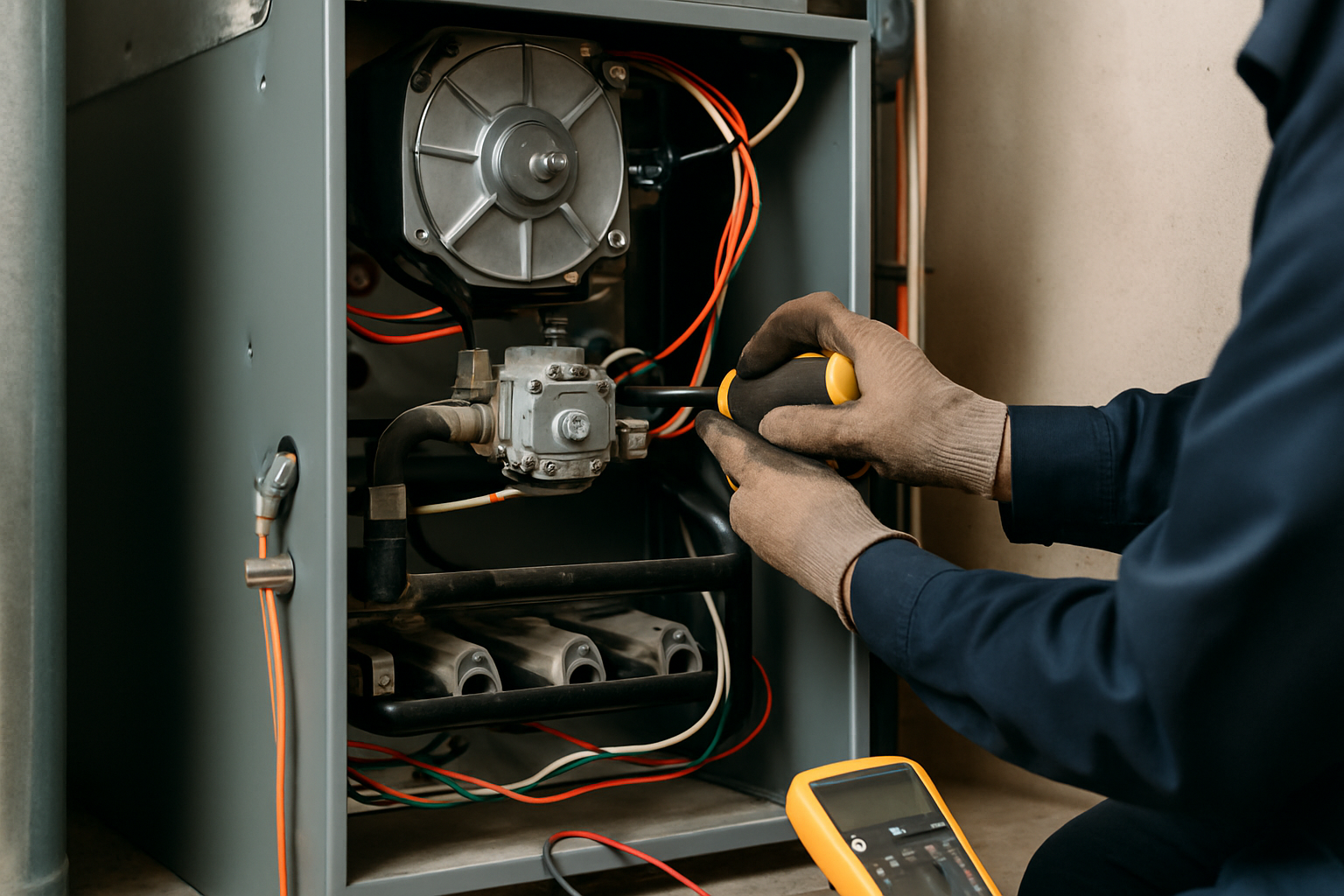
When your furnace starts acting up, every hour without heat feels longer than it should. The good news is that many heating problems give you warning signs before they turn into a full breakdown. If you know what to look for, you can protect your comfort, avoid bigger damage, and decide quickly whether a simple fix or professional furnace repair is the right move.
For homeowners in our area, winter is not the time to gamble with a struggling heating system. This guide walks you through the most common furnace symptoms, the safe checks you can do yourself, and the moments when it is smarter to call in a pro.
Furnace repair starts with spotting the warning signs
A furnace rarely fails without warning. More often, it leaves clues that something is off. Catching those clues early can save you time, money, and stress.
Common signs your furnace needs attention
- Uneven heat from room to room
- Short cycling, or turning on and off too often
- Strange noises like rattling, banging, or squealing
- Weak airflow from your vents
- Thermostat settings that do not match the indoor temperature
- Higher utility bills without a clear reason
- Yellow or flickering burner flame instead of a steady blue flame
If you notice one of these issues, do not ignore it. Small furnace problems often become larger ones when the system keeps running under strain.
What you can safely check before calling for service
Some heating issues are simple and easy to rule out. Before scheduling furnace repair, take a few minutes to check the basics. These steps can help you avoid an unnecessary service call and may get your heat working again faster.
1. Check the thermostat
Make sure the thermostat is set to heat and the temperature is set above the current room temperature. If the screen is blank, replace the batteries if your model uses them. Also confirm that no one has changed the schedule or fan setting.
2. Replace or inspect the air filter
A dirty filter can restrict airflow and make the furnace overheat or shut down early. If the filter looks clogged with dust, replace it. This is one of the easiest ways to improve performance and reduce strain on the system.
3. Make sure vents are open and unobstructed
Walk through the house and check that supply vents are open and not blocked by rugs, furniture, or curtains. Restricted airflow can make the furnace work harder than necessary.
4. Confirm the power source
Check whether the furnace switch is on and whether the circuit breaker has tripped. If the breaker keeps tripping, that points to a deeper electrical issue and it is time to call a technician.
5. Look at the exhaust and intake areas
If your system uses exterior venting, make sure snow, ice, leaves, or debris are not blocking the opening. A blocked vent can shut the furnace down for safety.
When furnace repair should be handled by a professional
Some problems are not safe to troubleshoot on your own. Furnaces involve gas, electricity, and combustion, so the risk is too high to guess when the issue goes beyond a simple filter or thermostat check.
Call for help right away if you notice:
- A burning smell that does not go away
- The smell of gas near the furnace
- Frequent shutdowns or failure to ignite
- Water leaking around the unit
- Carbon monoxide alarm activation
- Loud banging, grinding, or squealing inside the cabinet
In these situations, turn the system off if needed and contact a qualified HVAC professional. Prompt furnace repair can prevent damage to the unit and help keep your home safe.
How to reduce the chance of future breakdowns
Once your heat is restored, the next step is keeping the system reliable through the rest of the season. A few simple habits go a long way.
Stay ahead of maintenance
Schedule regular furnace maintenance so worn parts, dirty burners, and airflow issues are caught early. Routine inspections can help extend equipment life and improve efficiency.
Change filters on a regular schedule
Most homes benefit from a new filter every one to three months, depending on usage, pets, and indoor dust levels. Clean airflow helps your furnace run more smoothly.
Keep the area around the furnace clear
Do not store boxes, paint, cleaning supplies, or clutter near the unit. Good clearance makes servicing easier and helps maintain safe operation.
Pay attention to small changes
If the furnace starts making a new noise, heating becomes uneven, or your energy use spikes, act early. That is often the best time to schedule furnace repair before the issue becomes urgent.
Get fast help when your heat is on the line
When your furnace is struggling, the right move is to respond early and get answers fast. Some issues can be solved with a new filter or a thermostat adjustment, while others need a trained eye and the right tools. Either way, prompt action keeps your home more comfortable and helps protect your heating system from bigger trouble.
If you are dealing with weak heat, odd noises, or a system that will not stay on, contact Wasatch Peak HVAC. Visit our furnace repair page to get started and restore comfort with local help you can count on.